A Rare and Crisp George II ‘Honeycomb’ Moulded Miniature Patch Stand, Circa 1740
£850
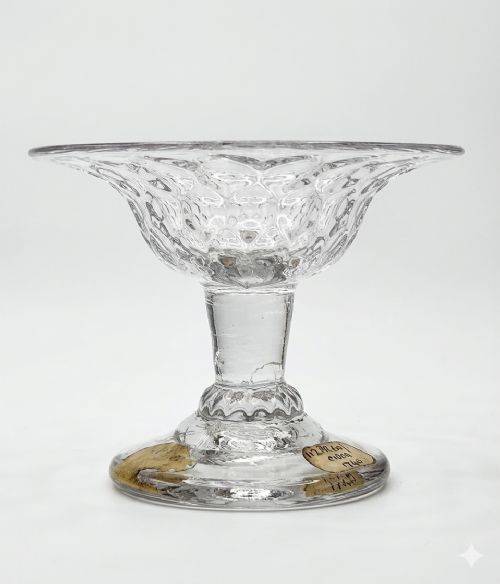
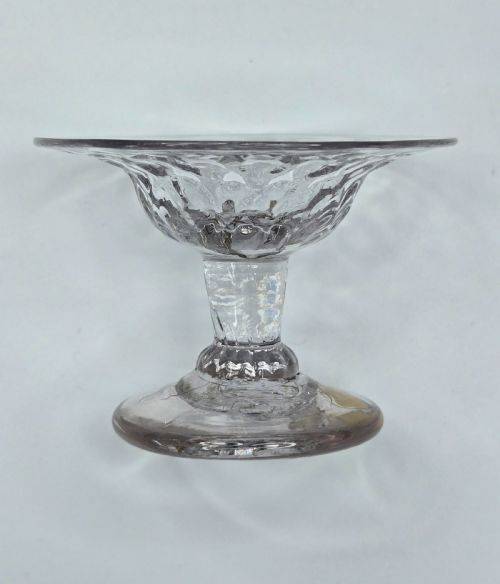
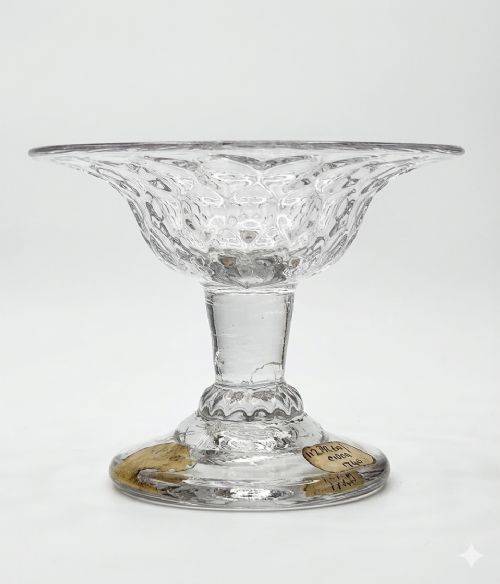
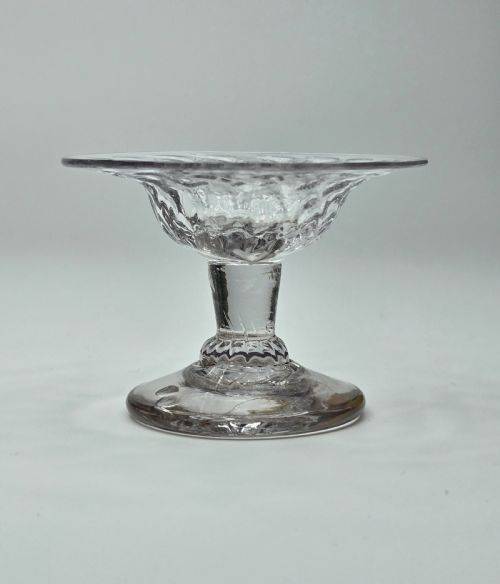
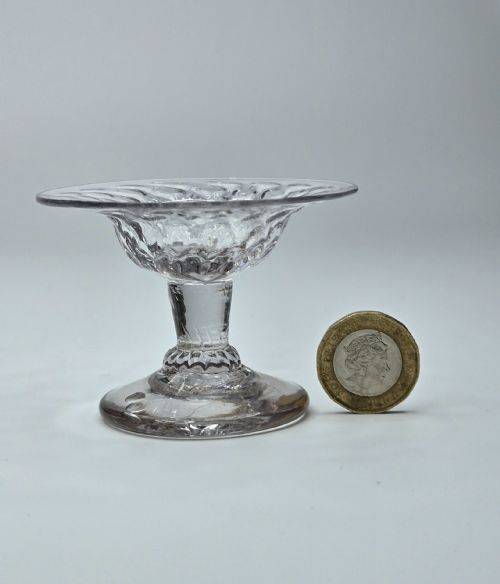
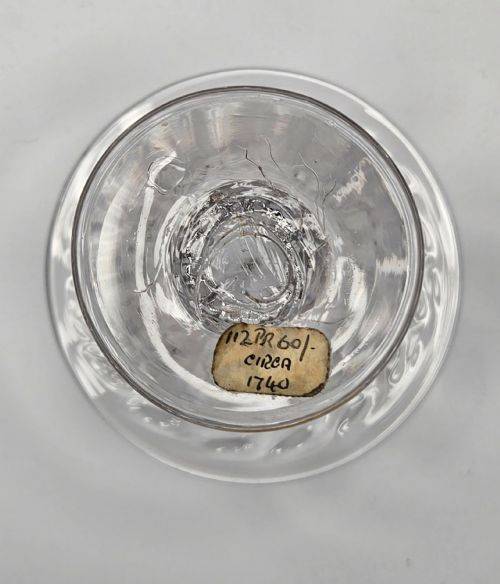
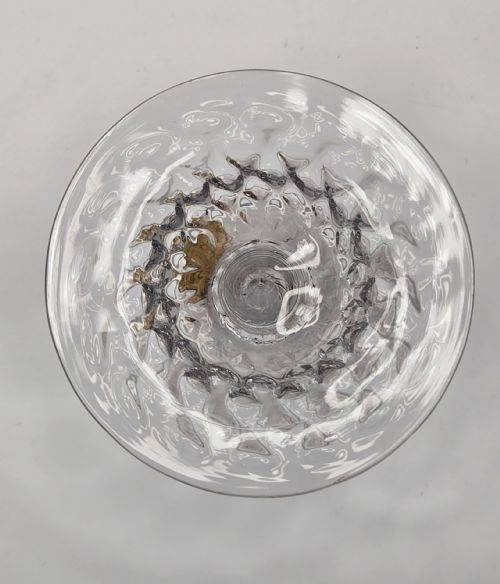
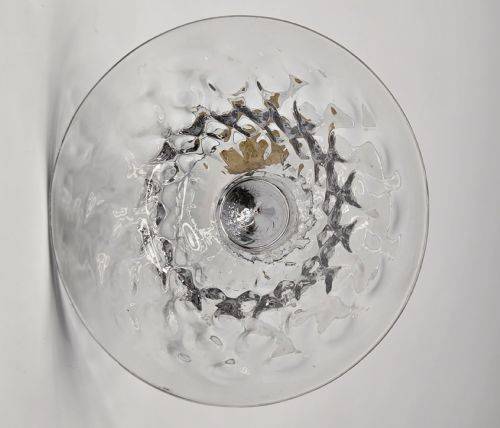
This is an exceptional and highly desirable example of a George II Lead Glass Patch Stand (or miniature tazza), dating to circa 1740. This diminutive piece, standing at just 5.3cm (approx. 2 inches) high, represents the pinnacle of Georgian 'toy' or miniature glassware, used by the elite for beauty patches or as a delicate sweetmeat stand. What makes this specific stand exceptionally interesting and rare is the stunning clarity of its Honeycomb (or Diamond) optic moulding. The shallow, flared bowl is completely dominated by this intricate, repeating geometric pattern. Unlike common plain examples, this optic moulding creates brilliant light refraction, transforming a simple dressing table item into a complex, shimmering jewel. The complex technique required blowing the molten lead crystal into a dip mould before hand-tooling the rim, demonstrating the high skill of the mid-18th-century glassblower. The architectural integrity of the piece is continued through its short, matching moulded pedestal stem, which features integral vertical ribbing. This perfectly complements the honeycomb pattern above. The stand is raised on a substantial domed and widely folded foot, which features a thickened rim folded under for strength and durability. The foot retains a classic, unpolished rough (snapped) pontil scar and, incredibly, its original antique collection label inscribed with 'Circa 1740.' The glass possesses the definitive heavy lead composition and smoky grey-blue tint indicative of genuine period English flint glass. Its excellent state of preservation and crisp moulding make it a collector's item of significant merit and an essential piece for any specialized 18th-century glass collection.\n\nTechnical Specifications\nType: George II Patch Stand / Miniature Tazza\nDate: Circa 1740\nCountry: England\nHeight: 5.3 cm\nMaterial: Lead Crystal (Flint Glass)\nDecoration: Intensive 'Honeycomb' or Diamond Optic Moulding to Bowl and Stem\nBase: Domed and Widely Folded Foot\nPontil: Rough (Snapped) Pontil Scar\nCondition Notes: Features period-appropriate striations; includes original antique inventory label.\nProvenance: The G.S. May Esquire Collection, London\n\nImportant Note for Collectors: This rare patch stand is part of a substantial, crated 14-piece collection of 18th-century miniature glass, all from The G.S. May Esquire Collection, London. While this item is listed individually, I am open to offers for the collection en bloc. If you are interested in acquiring the complete 14-piece set, please inquire directly for further details and a full inventory.
Details
- Category
- Decorative
- Period
- 18TH CENTURY
- Origin
- England, Circa 1740
- Dimensions
- H 5.3cm
- Provenance
- The G.S. May Esquire Collection, London
- Reference
- SA1206799
To enquire about this piece, call +44 7889 139 677 or email info@sandbanksantiques.com. Private viewings by appointment. Worldwide delivery.